O F Nelson’s
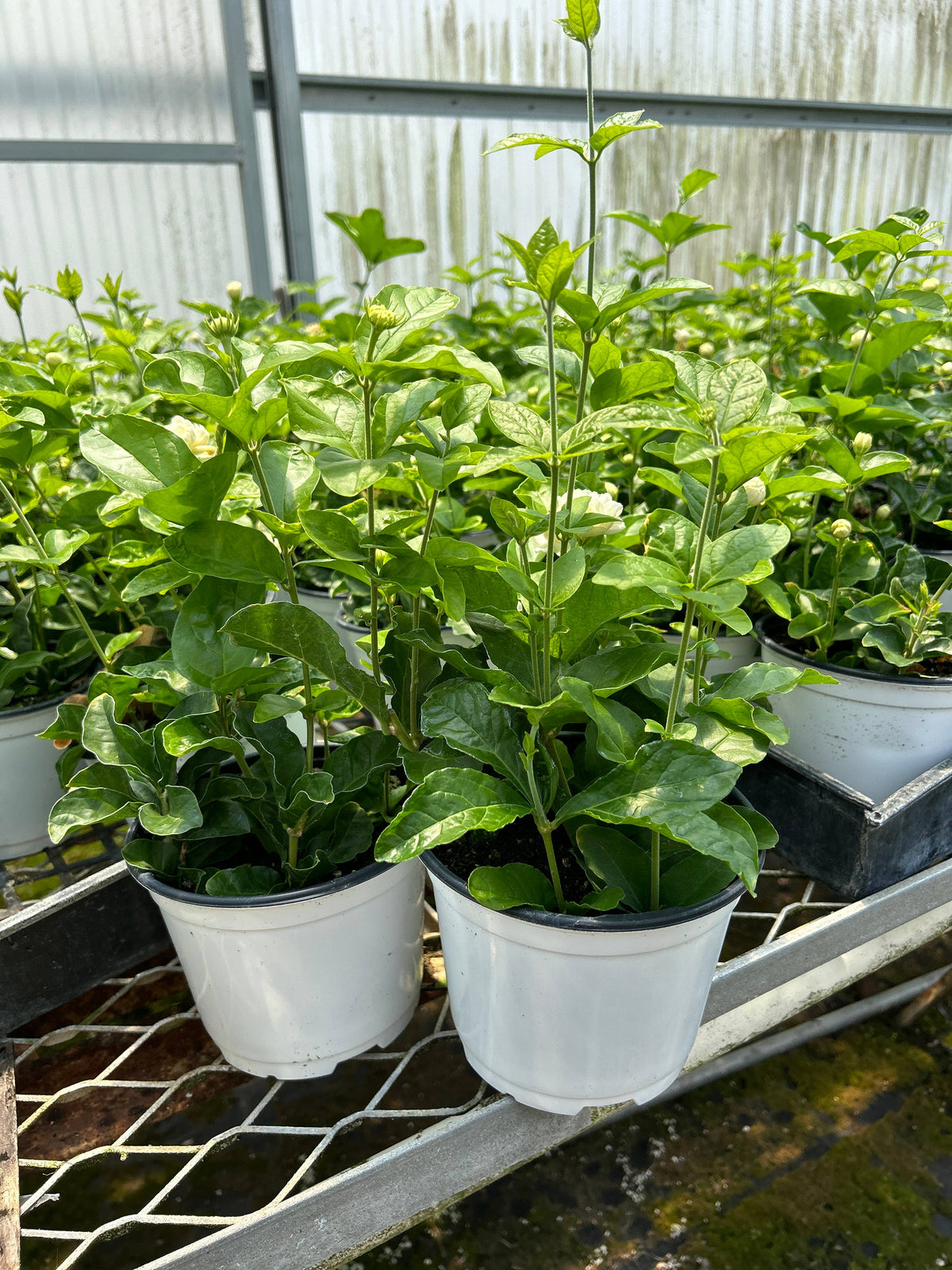
6" Jasmine sambac 'Grand Duke of Tuscany'
6" Jasmine sambac 'Grand Duke of Tuscany'
Couldn't load pickup availability
🤍🌸 Jasmine Sambac 'Grand Duke of Tuscany' Overview
Jasmine Sambac 'Grand Duke of Tuscany' (Jasminum sambac 'Grand Duke of Tuscany') is an exquisite tropical flowering plant treasured for its incredibly fragrant, fully double white flowers that resemble miniature roses. Also known as Arabian Jasmine 'Grand Duke of Tuscany', this beautiful cultivar is considered one of the most ornamental varieties of Arabian Jasmine.
Unlike the simpler flowers of many other jasmine varieties, 'Grand Duke of Tuscany' produces thick, layered blossoms with an almost gardenia-like appearance. Its glossy green foliage, luxurious flowers, and intoxicating fragrance make it a wonderful addition to tropical plant collections, sunny patios, fragrance gardens, and decorative indoor planters.
✨ Appearance
-
Beautiful glossy, deep green foliage
-
Oval to rounded leaves with prominent veins
-
Thick, slightly textured leaves
-
Produces stunning, fully double white flowers
-
Flowers feature multiple layers of petals resembling miniature roses
-
Blossoms may develop a creamy-white coloration as they age
-
Intensely fragrant flowers with a rich, sweet jasmine scent
-
Naturally develops a compact, bushy to shrub-like growth habit
-
Stems become increasingly woody as the plant matures
-
Typically reaches approximately 2–4 feet tall in containers, although mature size varies with growing conditions
-
Flowers may appear throughout the warmer growing season under favorable conditions
☀️ Light
-
Loves very bright light and sunshine
-
Approximately 4–6 or more hours of direct sunlight encourages flowering
-
Gentle morning sunlight is especially beneficial
-
Can tolerate additional direct sunlight when properly acclimated
-
In extremely hot climates, some afternoon protection may prevent leaf scorch
-
Indoors, provide your brightest sunny window or a strong grow light
-
Insufficient light can result in healthy foliage but few or no flowers
-
Gradually acclimate indoor-grown plants before moving them outdoors
💧 Water
-
Prefers relatively consistent moisture during active growth
-
Water when the top 1–2 inches of soil begin to dry
-
Water thoroughly and allow excess moisture to drain
-
Avoid allowing the entire root ball to remain completely dry for extended periods
-
Container-grown plants may need more frequent watering during hot summer weather
-
Reduce watering during cooler temperatures and slower growth
-
Avoid repeatedly allowing the plant to wilt severely
⚠️ Watering Warning
Grand Duke of Tuscany Jasmine appreciates consistent moisture but does not like constantly soggy roots.
Don't water on a strict schedule—check the soil first. Allow the upper portion of the potting mix to begin drying before watering thoroughly again.
Prolonged waterlogging can cause yellowing leaves, root rot, and declining growth.
Repeated severe drying can stress the plant, cause leaf drop, and result in developing flower buds falling before they open.
Consistent watering is especially important when the plant is actively producing flower buds.
🌡️ Temperature & Humidity
-
Loves warm, tropical growing conditions
-
Ideal temperature: approximately 65–85°F
-
Performs beautifully during warm summer weather
-
Appreciates moderate to high humidity
-
Humidity around 50–70% can encourage healthy growth
-
Can adapt to average household humidity with proper care
-
Protect from cold drafts and sudden temperature changes
-
Avoid prolonged temperatures below approximately 50–55°F
-
Sensitive to frost
-
Appreciates good airflow
-
Can be grown outdoors during warm weather and brought indoors before temperatures drop
🌱 Soil
-
Prefers fertile, well-draining soil
-
Quality indoor potting soil
-
Perlite or pumice for additional drainage
-
Fine orchid bark, if desired
-
Compost or other organic matter
-
-
Appreciates slightly acidic to neutral growing conditions
-
Soil should retain some moisture without becoming waterlogged
-
Avoid dense, compacted soil
-
Containers should always have drainage holes
🌿 Growth & Care
-
Moderate-growing tropical flowering shrub
-
Generally grows more slowly than some other Arabian Jasmine cultivars
-
Naturally develops a compact, branching habit
-
Light pruning encourages fuller, bushier growth
-
Prune after flowering to maintain its shape
-
Avoid excessive pruning that removes developing flower buds
-
Fertilize during active growth with a balanced fertilizer suitable for flowering plants
-
Avoid excessive nitrogen, which may encourage foliage growth at the expense of flowers
-
Can be propagated from stem cuttings, although rooting may be slower than with some other jasmine varieties
-
Remove spent flowers to maintain an attractive appearance
-
Inspect regularly for common houseplant pests such as spider mites, mealybugs, whiteflies, and scale
-
Repot when the root system begins outgrowing its container
-
Avoid frequent changes in location when the plant is developing flower buds
🐾 Pet Safety
-
True jasmine plants belonging to the genus Jasminum are generally considered non-toxic to cats and dogs
-
Jasminum sambac is not commonly associated with serious pet poisoning
-
Eating large amounts of any plant material may still cause digestive upset
-
Concentrated jasmine fragrances, extracts, and essential oils should not be treated the same as the living plant
-
Keep concentrated oils and fragrance products away from pets unless directed by a veterinarian
🤍 Why Collectors Love It
-
Stunning fully double white flowers
-
Beautiful miniature rose-like blossoms
-
Intensely sweet jasmine fragrance
-
Glossy, attractive green foliage
-
Compact, bushy growth habit
-
Gorgeous addition to tropical flowering plant collections
-
Excellent choice for fragrance gardens
-
Beautiful in decorative patio containers
-
More elaborate flowers than many traditional jasmine varieties
-
A highly desirable cultivar for jasmine enthusiasts
-
Can reward patient growers with spectacular blooms
-
Because apparently regular jasmine flowers weren't fancy enough, so this one decided every bloom needed to look like a tiny white rose dressed for a royal wedding! 😂🤍👑🌸
Plant Nerd Note: Jasminum sambac 'Grand Duke of Tuscany' is a cultivated variety of Arabian Jasmine, a species belonging to the Oleaceae family.
The cultivar is especially admired for its extremely double flowers, which contain numerous overlapping petals.
Unlike many jasmine varieties that produce simple, star-shaped flowers, 'Grand Duke of Tuscany' produces densely layered blossoms that resemble miniature roses or gardenias.
Its flowers are generally slower to develop and open than those of simpler-flowered jasmine cultivars.
Although it shares the same species as Jasminum sambac 'Maid of Orleans', the two cultivars have noticeably different flowers:
-
'Grand Duke of Tuscany': Large, densely layered, rose-like white flowers with a rich fragrance.
-
'Maid of Orleans': Simpler, usually single to semi-double white flowers that tend to open more readily and are also highly fragrant.
Both are beautiful Arabian Jasmine cultivars, but 'Grand Duke of Tuscany' is particularly prized for its elaborate flower structure.
Fragrance & Traditional Use Note: Arabian Jasmine has a long history of cultural, ornamental, and aromatic use throughout Asia and other tropical regions.
The fragrant flowers of Jasminum sambac are traditionally used in floral garlands, perfumes, and jasmine-scented teas.
However, not all commercially grown ornamental jasmine plants are suitable for culinary use. Flowers intended for tea or other food preparations should come from correctly identified, food-safe plants grown without pesticides unsuitable for edible crops.
Collector Care Tip: The biggest secret to getting Grand Duke of Tuscany Jasmine to bloom is providing plenty of bright light, consistent moisture, warmth, and patience.
This cultivar can be slower to flower than other Arabian Jasmine varieties, but its elaborate blossoms are well worth the wait.
For customers growing it indoors, a bright south-facing window or quality grow light can make a significant difference in flowering performance.
During the warmer months, placing the plant outdoors in a sunny, sheltered location can encourage stronger growth and more frequent blooming.
And when those beautiful white flowers finally open, the fragrance alone will remind you why this jasmine is such a collector favorite! 🤍🌸🌿
Share