Arcadia Garden Products
Anthurium Silver Blush
Anthurium Silver Blush
Couldn't load pickup availability
🩶🌿 Anthurium Silver Blush – Anthurium crystallinum 'Silver Blush' Overview
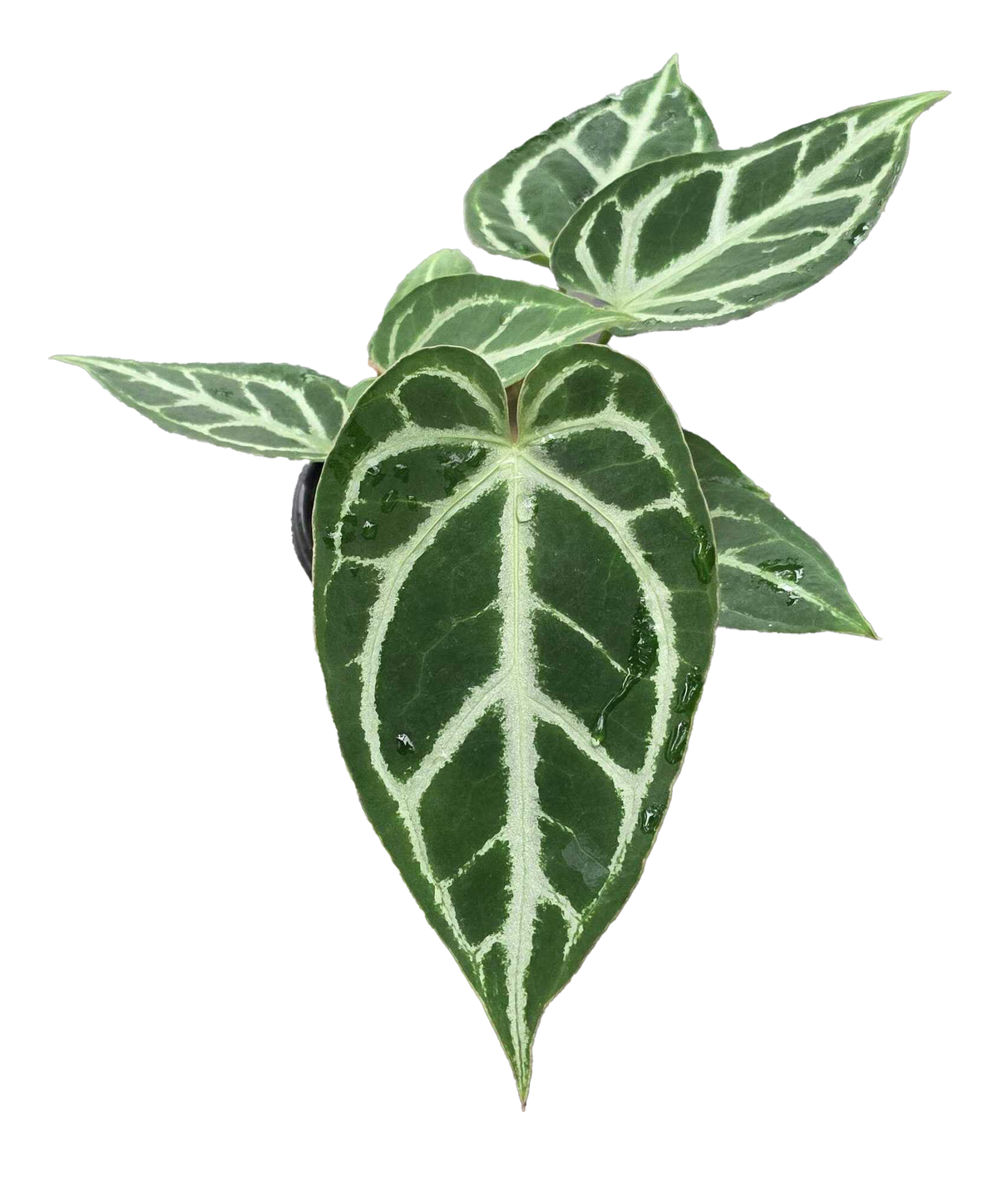
Anthurium Silver Blush (Anthurium crystallinum 'Silver Blush') is a breathtaking tropical foliage plant treasured for its velvety, heart-shaped leaves and extraordinary silvery-white markings. This beautiful collector's Anthurium features deep green foliage with broad, shimmering silver veins that spread across the leaf surface, creating an almost metallic appearance.
Unlike traditional Anthuriums grown for their colorful flowers, Silver Blush is primarily admired for its spectacular foliage. Its luxurious velvet texture, striking contrast, and elegant growth habit make it a wonderful addition to tropical houseplant collections.
With proper care, its leaves can become increasingly impressive as the plant matures, making it a favorite among collectors who appreciate unusual foliage.
✨ Appearance
-
Beautiful broad, heart-shaped leaves
-
Deep green to dark emerald-green foliage
-
Soft, velvety leaf texture
-
Prominent silvery-white veins
-
Silver coloration often spreads beyond the veins, creating a beautiful shimmering appearance
-
Mature leaves may develop extensive silver markings across much of the leaf surface
-
New leaves may emerge with bronze, copper, or reddish tones
-
Foliage gradually develops its characteristic green and silver coloration as it matures
-
Each leaf may display a slightly different silver pattern
-
Naturally develops an upright, compact to spreading growth habit
-
Leaves are supported by slender, upright petioles
-
Mature plants may develop leaves approximately 8–18 inches long or larger under favorable conditions
-
Occasionally produces typical Anthurium flowers consisting of a spathe and spadix
☀️ Light
-
Prefers bright, indirect light
-
Gentle, filtered morning sunlight may be tolerated
-
Avoid prolonged exposure to direct sunlight
-
Intense sunlight can scorch the delicate, velvety foliage
-
Bright lighting encourages healthy growth and attractive silver markings
-
Can tolerate moderate indirect light but may grow more slowly
-
Too little light may result in smaller leaves and slower development
-
A quality grow light can supplement natural lighting indoors
-
Avoid placing leaves directly against hot window glass
💧 Water
-
Prefers relatively consistent moisture during active growth
-
Water when the upper portion of the potting mix begins to dry
-
Allow approximately the top 1 inch of soil to dry before watering again
-
Water thoroughly and allow excess moisture to drain
-
Avoid allowing the entire root ball to remain completely dry for extended periods
-
Reduce watering during cooler temperatures and slower growth
-
Use room-temperature water when possible
-
Always check soil moisture before watering
⚠️ Watering Warning
Anthurium Silver Blush prefers lightly moist soil with excellent drainage and plenty of airflow around its roots.
Don't water on a strict schedule—check the soil first. Allow the upper portion of the potting mix to begin drying before watering thoroughly again.
Constantly saturated soil can cause yellowing leaves, root rot, and declining growth.
However, prolonged severe drying can cause crispy leaf edges, curling foliage, and damage to the delicate root system.
The goal is consistent moisture without keeping the roots constantly wet.
🌡️ Temperature & Humidity
-
Loves warm, tropical growing conditions
-
Ideal temperature: approximately 65–85°F
-
Appreciates moderate to high humidity
-
Humidity around 60–80% can encourage healthy foliage development
-
May adapt to lower household humidity but can develop crispy leaf edges
-
Consistent humidity is especially beneficial when new leaves are unfurling
-
Protect from cold drafts and sudden temperature changes
-
Avoid prolonged temperatures below approximately 60°F
-
Sensitive to frost
-
Appreciates gentle airflow
-
Avoid placing directly beside heating vents or air-conditioning units
🌱 Soil
-
Prefers a chunky, airy, well-draining aroid mix
-
Quality indoor potting soil or coco coir
-
Orchid bark
-
Perlite or pumice
-
Sphagnum moss, if desired
-
Horticultural charcoal, if desired
-
-
Roots appreciate a balance of moisture and oxygen
-
Avoid dense, compacted soil that remains wet
-
Containers should always have drainage holes
-
Avoid using an unnecessarily oversized pot
-
Can thrive in suitable semi-hydroponic setups with proper care
🌿 Growth & Care
-
Moderate-growing under favorable conditions
-
Naturally develops an upright, self-supporting growth habit
-
New leaves emerge from the central growing point
-
Mature foliage can become significantly larger than juvenile leaves
-
Consistent warmth and humidity encourage healthy leaf development
-
Fertilize lightly during active growth
-
A balanced houseplant fertilizer supports healthy foliage
-
Avoid excessive fertilizer, which can damage sensitive roots
-
Repot when the root system begins outgrowing its container
-
Handle roots carefully during repotting
-
Can be propagated through stem cuttings containing viable nodes or by division when suitable growth points are present
-
Remove fully yellowed or damaged leaves as needed
-
Gently clean foliage with a soft, dry or barely damp cloth
-
Avoid harsh leaf-shine products on the velvety foliage
-
Inspect regularly for common houseplant pests such as thrips, spider mites, and mealybugs
-
Avoid frequent changes in growing conditions
🐾 Pet Safety
-
Toxic to cats and dogs if chewed or ingested
-
Contains insoluble calcium oxalate crystals
-
May cause mouth irritation, drooling, swelling, and digestive discomfort
-
Plant sap may irritate sensitive human skin
-
Keep away from curious pets and children
-
Wash hands after handling cut stems or sap
🩶 Why Collectors Love It
-
Gorgeous velvety, heart-shaped foliage
-
Beautiful shimmering silver markings
-
Dramatic contrast between silver and deep green
-
Each leaf develops unique coloration
-
Stunning metallic appearance
-
Elegant tropical growth habit
-
Mature leaves can become impressively large
-
Beautiful addition to collector Anthurium collections
-
Wonderful statement plant for decorative containers
-
Highly desirable among lovers of velvet-leaf Anthuriums
-
Adds a luxurious appearance to indoor plant displays
-
Because apparently regular green leaves weren't glamorous enough, so this Anthurium decided every leaf needed its own silver jewelry collection! 😂🩶✨
Plant Nerd Note: Anthurium Silver Blush is commonly sold as Anthurium crystallinum 'Silver Blush', although the name is also used more broadly in the nursery trade.
It is generally associated with Anthurium crystallinum selections featuring unusually extensive silver markings. Its exact cultivar history and parentage are not consistently documented, so it is best to avoid claiming a specific hybrid lineage without confirmation from the grower.
Anthuriums belong to the Araceae family, which also includes Monstera, Philodendron, Alocasia, and other popular tropical houseplants.
One of Silver Blush's most recognizable characteristics is the way its silvery coloration extends beyond the primary leaf veins, creating a soft, luminous appearance across the foliage.
Is Anthurium Silver Blush Variegated?
Although its leaves display dramatic silver coloration, Silver Blush is not typically considered a traditional variegated Anthurium.
Its silver appearance is a characteristic foliage pattern associated with specialized leaf structures and coloration rather than the irregular loss of chlorophyll seen in many white- or cream-variegated plants.
The amount of silver can vary between individual plants and even between leaves on the same plant.
Silver Blush vs. Anthurium Dorayaki
These two beautiful Anthuriums are sometimes confused because both display striking silver markings.
-
Silver Blush: Often develops extensive silver coloration that spreads outward from the veins, creating a soft, shimmering appearance across much of the leaf.
-
Dorayaki: Typically features rounded, heart-shaped leaves with broad, prominent silver veins and more distinct areas of green between them.
However, nursery trade names can overlap, and individual plants may vary significantly in appearance.
Why Is Humidity Important for Velvet Anthuriums?
Velvet-leaf Anthuriums are especially admired for their delicate, luxurious foliage.
When humidity is consistently low, developing leaves may struggle to expand smoothly, and mature foliage may develop dry, crispy edges.
A humidifier can help maintain more stable growing conditions, particularly during winter when indoor heating reduces humidity.
Good airflow is equally important because stagnant, excessively humid conditions can encourage fungal and bacterial problems.
Collector Care Tip: The secret to growing a spectacular Anthurium Silver Blush is providing bright indirect light, consistent humidity, warm temperatures, and an airy potting mix.
As the plant matures, its leaves may become larger and develop increasingly impressive silver markings.
Avoid handling new leaves while they are unfurling, as Anthurium foliage can be especially delicate during this stage.
For collectors who love dramatic velvet foliage, Silver Blush offers a gorgeous combination of deep green leaves, shimmering silver patterns, and tropical elegance.
And when a mature leaf catches the light just right, it almost looks like someone painted it with liquid silver! 🩶🌿✨
Share