Arcadia Garden Products
Colocasia Esculenta Mojito
Colocasia Esculenta Mojito
Couldn't load pickup availability
🌿 Colocasia esculenta 'Mojito' Overview
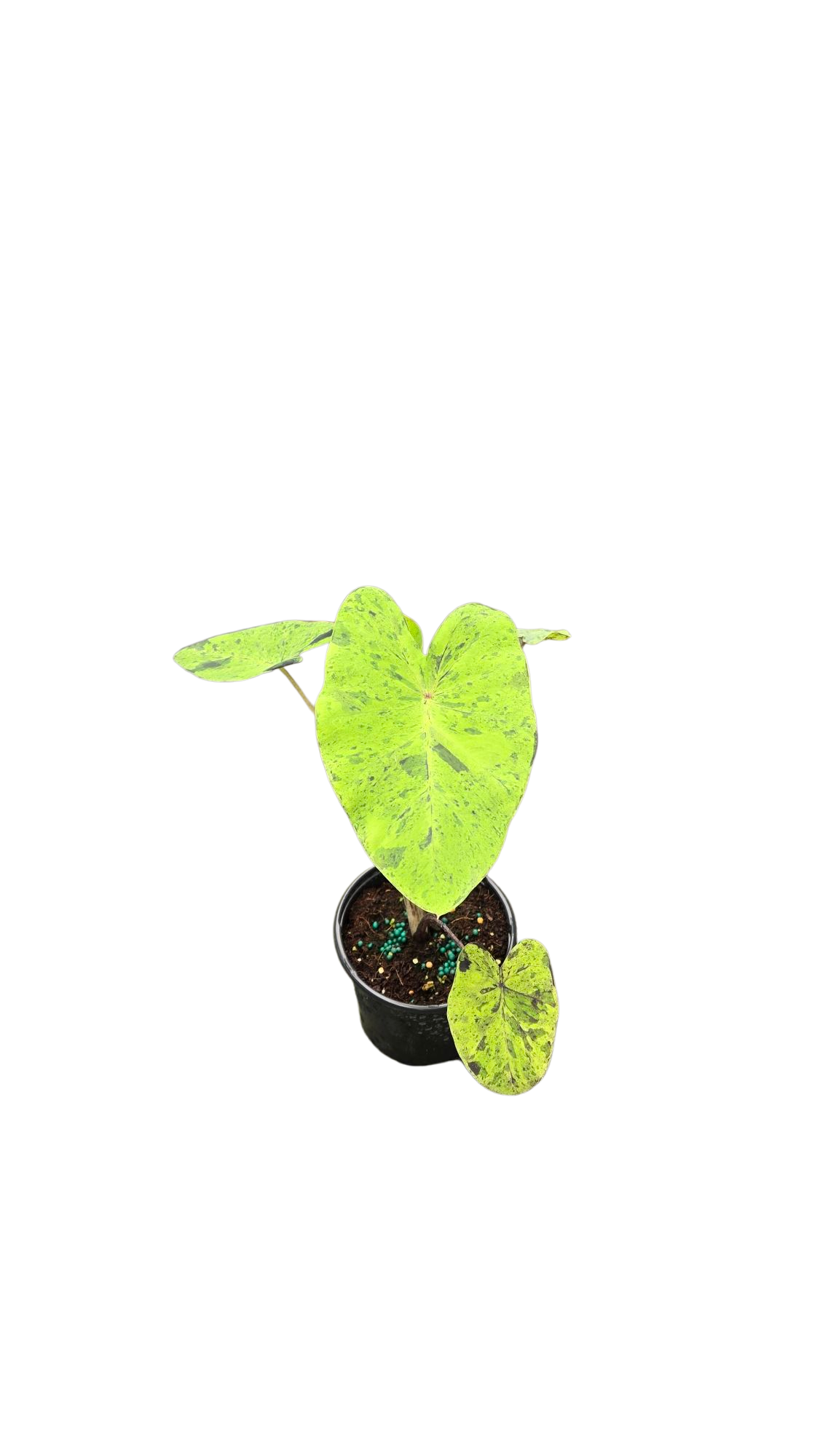
Colocasia esculenta 'Mojito', commonly called Mojito Elephant Ear, is a spectacular tropical plant prized for its large, heart-shaped leaves covered in unpredictable dark purple, black, and burgundy speckles and splashes. No two leaves develop exactly the same pattern, giving the plant an almost hand-painted appearance. Fast-growing in warmth and moisture, 'Mojito' can create an incredible tropical statement indoors or outdoors during the warm growing season.
✨ Appearance
- Large, heart-shaped to shield-shaped Elephant Ear foliage
- Bright to medium green leaves dramatically splashed and speckled with dark purple, burgundy, and nearly black markings
- Variegation varies considerably from leaf to leaf
- Dark coloration may appear as tiny freckles, large blotches, streaks, or marbling
- Upright stems support large, outward-facing foliage
- Develops into a bold, lush tropical plant under ideal conditions
☀️ Light
- Prefers very bright light
- Outdoors, grows well in partial sun to full sun when properly acclimated
- Indoors, place near a bright window with plenty of indirect light
- Some gentle direct sunlight can encourage strong growth
- Gradually acclimate plants before exposing them to intense outdoor sun to prevent leaf scorch
💧 Water
- Unlike many houseplants, Colocasia appreciates plenty of moisture
- Keep soil consistently moist during active growth
- Water thoroughly whenever the upper surface begins to dry
- Do not allow the plant to remain completely dry for extended periods
- Large plants may become surprisingly thirsty during warm weather
⚠️ Watering Warning
'Mojito' is not a plant that wants to dry out completely between waterings. Colocasia naturally appreciates moisture and can decline quickly if repeatedly allowed to become bone-dry. Keep the soil consistently moist while still using a pot with drainage. During hot summer weather, check container-grown plants frequently—they can drink a surprising amount of water!
🌡️ Temperature & Humidity
- Loves warm temperatures
- Ideal temperature: approximately 65–90°F
- Prefers moderate to high humidity
- Growth accelerates during warm, humid weather
- Protect from frost and freezing temperatures
- Growth may slow significantly or the plant may enter dormancy when temperatures cool
🌱 Soil
-
Prefers rich, fertile soil that retains moisture while still providing some drainage
- Quality potting soil
- Coco coir or peat-based material for moisture retention
- Perlite or pumice for aeration
- Compost or organic matter can help support vigorous growth
- Unlike many aroids, the mix does not need to become nearly dry between waterings
🌿 Growth & Care
- Fast grower during warm, bright conditions
- Heavy feeder compared with many indoor plants
- Fertilize regularly but appropriately during active spring and summer growth
- Remove yellow or damaged older leaves at the base as needed
- Produces underground structures and offsets that can eventually create a fuller clump
- Can be grown outdoors during warm weather and overwintered appropriately in colder climates
- Give it room—healthy plants can become substantial!
🐾 Pet Safety
- Toxic to pets if ingested
- Contains calcium oxalate crystals that can cause significant mouth and digestive irritation
- Keep away from curious cats and dogs that chew plants
💚 Why Collectors Love It
- Incredible purple-and-green camouflage-like foliage
- Every leaf develops a different pattern
- Large, dramatic Elephant Ear leaves
- Fast-growing under warm, moist conditions
- Creates an instant tropical look
- Can become a spectacular statement plant in a single growing season
- Basically looks like someone took a paintbrush full of purple ink and flicked it across every leaf 🌿💜
Plant Nerd Note: Although Colocasia and Alocasia are both commonly called Elephant Ears, they're different genera with somewhat different care preferences. One of the biggest differences for customers to remember is water: Colocasia esculenta generally enjoys much wetter conditions than most Alocasias and should not be treated like a plant that needs to dry substantially between waterings.
Share