Best Plant Friend
Consolea rubescens - Roadkill Cactus
Consolea rubescens - Roadkill Cactus
Couldn't load pickup availability
🌵😂 Roadkill Cactus – Consolea rubescens Overview
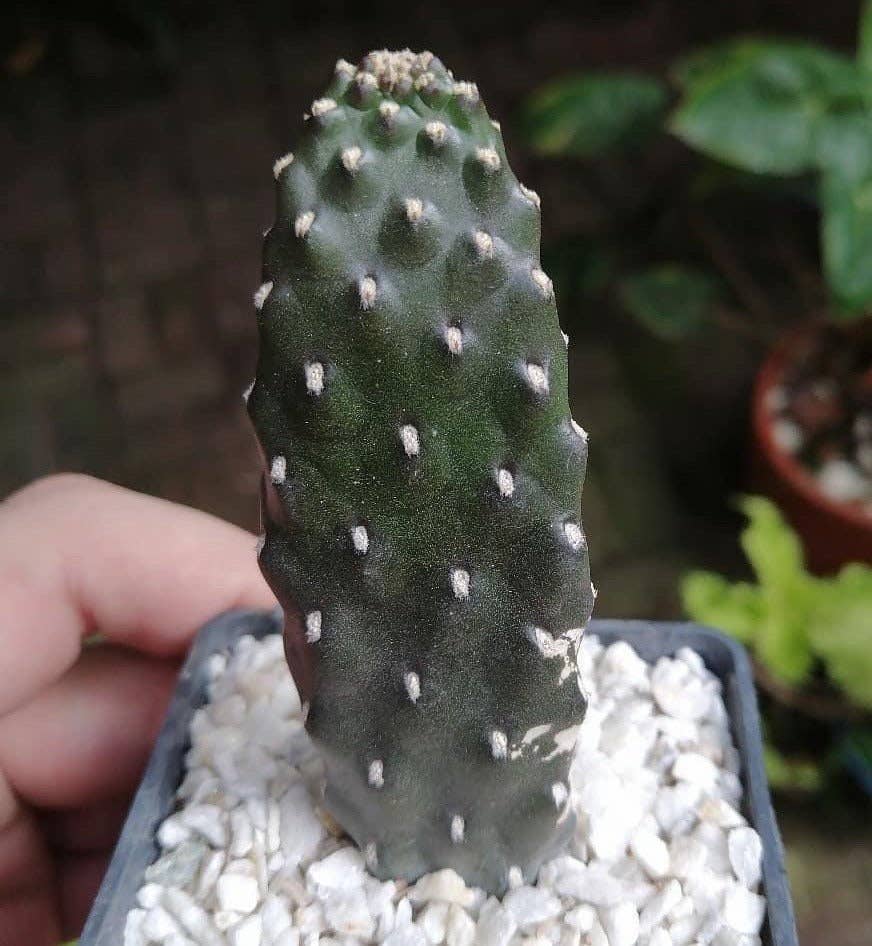
Roadkill Cactus (Consolea rubescens) is one of the quirkiest and most unusual cacti you'll ever encounter! Known for its incredibly thin, flattened pads and distinctive bumpy texture, this fascinating cactus looks almost as though someone ran over it with a car—which explains its hilarious common name!
Also known as Road Kill Cactus, Roadkill Prickly Pear, or Sour Prickly Pear, this unique cactus is native to the Caribbean, where it grows naturally in warm, sunny coastal environments.
Unlike traditional prickly pear cacti with thick, rounded pads, Roadkill Cactus develops unusually thin, irregularly shaped green segments that resemble flattened cardboard cutouts. As it matures, it can even develop a woody trunk and become a small cactus tree!
Its unusual appearance, architectural growth habit, and relatively easy care make it a wonderful addition to cactus collections, sunny windowsills, and tropical succulent displays.
✨ Appearance
-
Extremely thin, flattened green cactus pads
-
Irregularly shaped, elongated segments
-
Green to deep green coloration
-
Distinctive raised bumps and textured surfaces
-
Pads may appear twisted, flattened, or slightly wavy
-
Small areoles scattered across the pads
-
Often appears nearly spineless but may develop sharp spines or tiny glochids
-
New growth may display reddish or bronze tones
-
Naturally develops upright, branching growth
-
Mature plants can develop thick, woody trunks
-
May eventually resemble a small cactus tree
-
Can reach approximately 15–20 feet tall outdoors in ideal tropical conditions
-
Container-grown plants generally remain much smaller and can be maintained through pruning
-
May produce yellow, orange, or reddish flowers followed by red fruit
☀️ Light
-
Prefers very bright light to full sun
-
Approximately 6 or more hours of strong light is ideal when properly acclimated
-
Gentle morning sunlight is especially beneficial for indoor-grown plants
-
Can tolerate full sun outdoors in suitable climates
-
Some afternoon protection may be helpful during extreme heat
-
Indoors, provide a bright south- or west-facing window
-
A strong grow light can supplement natural sunlight
-
Insufficient light can cause weak, stretched, or unusually thin new growth
-
Gradually acclimate plants to direct sunlight to prevent sunburn
💧 Water
-
Allow the potting mix to dry thoroughly between waterings
-
Water deeply and allow excess moisture to drain
-
More drought-tolerant than most tropical houseplants
-
May appreciate somewhat more moisture during active growth than extremely drought-adapted desert cacti
-
Container-grown plants may need more frequent watering during hot weather
-
Reduce watering significantly during cooler temperatures and slower growth
-
Avoid allowing the container to sit in standing water
-
Always check soil moisture before watering
⚠️ Watering Warning
Roadkill Cactus is a drought-tolerant cactus that does not appreciate constantly wet roots.
Don't water on a strict schedule—check the soil first. Allow the potting mix to dry thoroughly before watering again.
Overwatering can cause yellowing pads, soft stems, root rot, and eventual plant decline.
Prolonged severe underwatering may cause shriveling or stalled growth.
Important: Although Roadkill Cactus is a true cactus, it naturally grows in Caribbean environments and may appreciate more consistent summer watering than some desert cactus species.
The key is providing thorough watering followed by adequate drying time.
🌡️ Temperature & Humidity
-
Prefers warm, sunny growing conditions
-
Ideal indoor temperature: approximately 65–90°F
-
Tolerates hot weather when properly acclimated
-
Comfortable in average household humidity
-
Can tolerate more atmospheric humidity than many desert cacti
-
Does not require a humidifier
-
Appreciates good airflow
-
Protect from cold drafts and sudden temperature changes
-
Best protected from temperatures below approximately 40–45°F
-
Frost and freezing temperatures can damage the plant
-
Can be grown outdoors during warm weather
-
Bring indoors before cold weather arrives
🌱 Soil
-
Prefers a loose, gritty, fast-draining cactus potting mix
-
Quality cactus or succulent soil
-
Pumice or perlite
-
Coarse horticultural grit
-
A small amount of organic matter
-
-
Roots appreciate excellent airflow
-
Avoid dense, moisture-retentive soil
-
Containers should always have drainage holes
-
Terra-cotta pots can be a great option
-
Choose a sturdy container that can support the plant as it grows taller
-
Avoid placing a small root system in an unnecessarily oversized pot
🌿 Growth & Care
-
Moderate-growing under favorable conditions
-
Naturally develops upright, branching stems
-
Produces new flattened pads from established growth
-
Can eventually develop a woody, tree-like trunk
-
Beautiful as an unusual specimen cactus
-
Can be pruned to control height and shape
-
Easily propagated from healthy stem or pad cuttings
-
Allow cut surfaces to callus before planting
-
Root cuttings in a suitable, well-draining cactus medium
-
Fertilize lightly during active growth
-
Avoid excessive fertilizer, which may encourage weak growth
-
Remove damaged or rotting pads as needed
-
Inspect regularly for scale insects, mealybugs, and other common cactus pests
-
Handle carefully to avoid tiny spines and glochids
-
Repot when the plant becomes top-heavy or outgrows its container
🐾 Pet Safety
-
Roadkill Cactus is not generally considered chemically toxic to cats and dogs
-
However, its spines and tiny glochids can cause painful physical injuries
-
Glochids may become embedded in skin, paws, or mouths
-
Chewing the plant may cause mouth irritation or digestive upset
-
Keep away from curious pets and children
-
Wear protective gloves when handling or repotting
-
Seek veterinary advice if a pet develops symptoms after chewing the plant
🌸 Flowering
-
Mature plants may produce small, colorful flowers
-
Flowers can range from yellow to orange or reddish tones
-
Flowering typically occurs during warmer growing conditions
-
Flowers develop from the cactus pads
-
Pollinated flowers may develop into red fruits
-
Flowering is more likely on mature, well-established plants
-
Indoor plants may rarely flower
-
Primarily grown for its unusual flattened foliage rather than its flowers
🌵 Why Collectors Love It
-
One of the funniest cactus names around
-
Extremely unusual flattened pads
-
Unique bumpy, textured appearance
-
Looks like a living cardboard cactus
-
Can develop into a miniature cactus tree
-
Relatively low-maintenance care
-
Drought-tolerant once established
-
Excellent for sunny windowsills
-
Easy to propagate from cuttings
-
Wonderful conversation piece
-
Different from traditional prickly pear cacti
-
Perfect for collectors who love unusual and quirky plants
-
Because apparently regular cactus pads weren't flat enough, so Mother Nature decided this one needed to get run over by an imaginary truck! 😂🚗🌵
Plant Nerd Note: Roadkill Cactus is scientifically known as Consolea rubescens.
It belongs to the Cactaceae family, specifically the same broad cactus group that includes prickly pears.
The species was previously classified as Opuntia rubescens, and this older botanical name may still appear on nursery labels.
The genus Consolea contains several unusual Caribbean cactus species that develop distinctive flattened branches and tree-like growth habits.
The species name rubescens refers to a reddish coloration, which may appear on developing growth.
Why Is It Called Roadkill Cactus?
The name comes from the plant's unusually thin, flattened cactus pads.
Unlike traditional prickly pears, which develop thick, fleshy paddles, Roadkill Cactus produces segments that look almost completely squashed.
The irregular bumps and markings across the pads can even resemble little tire tracks!
Despite its funny appearance, these flattened segments are perfectly normal and are one of the species' most recognizable features.
Roadkill Cactus vs. Traditional Prickly Pear
Although they are related, these plants have some noticeable differences.
-
Roadkill Cactus: Extremely thin, irregularly shaped pads that may develop on a woody, tree-like trunk.
-
Traditional Prickly Pear (Opuntia species): Generally thicker, fleshy pads that store substantial amounts of moisture.
Both belong to the cactus family, but Roadkill Cactus has a particularly unusual architectural appearance.
Are Roadkill Cacti Really Spineless?
Not necessarily!
Although Roadkill Cactus is frequently described as nearly spineless, some plants develop visible spines, and many have tiny, sharp glochids.
Glochids are small, easily detached cactus spines that can become embedded in skin.
Even when the plant looks completely harmless, it's best to handle it carefully.
Collector Care Tip: The secret to growing a beautiful Roadkill Cactus is providing plenty of bright sunlight, excellent drainage, warm temperatures, and careful watering.
Its unusual growth habit makes it especially attractive in a decorative planter where the flattened pads can grow upward and branch naturally.
As the plant matures, it may develop a thicker, woody base that gives it the appearance of a miniature cactus tree.
If you're growing it indoors, make sure it receives plenty of strong light to prevent weak, stretched growth.
And when customers ask why it's called Roadkill Cactus, you can tell them, "Don't worry, nobody actually ran it over—it just naturally looks that way!" 😂🌵💚
Share