Gingers greenhouse
Greek Sage
Greek Sage
Couldn't load pickup availability
🌿 Greek Sage – Salvia fruticosa Overview
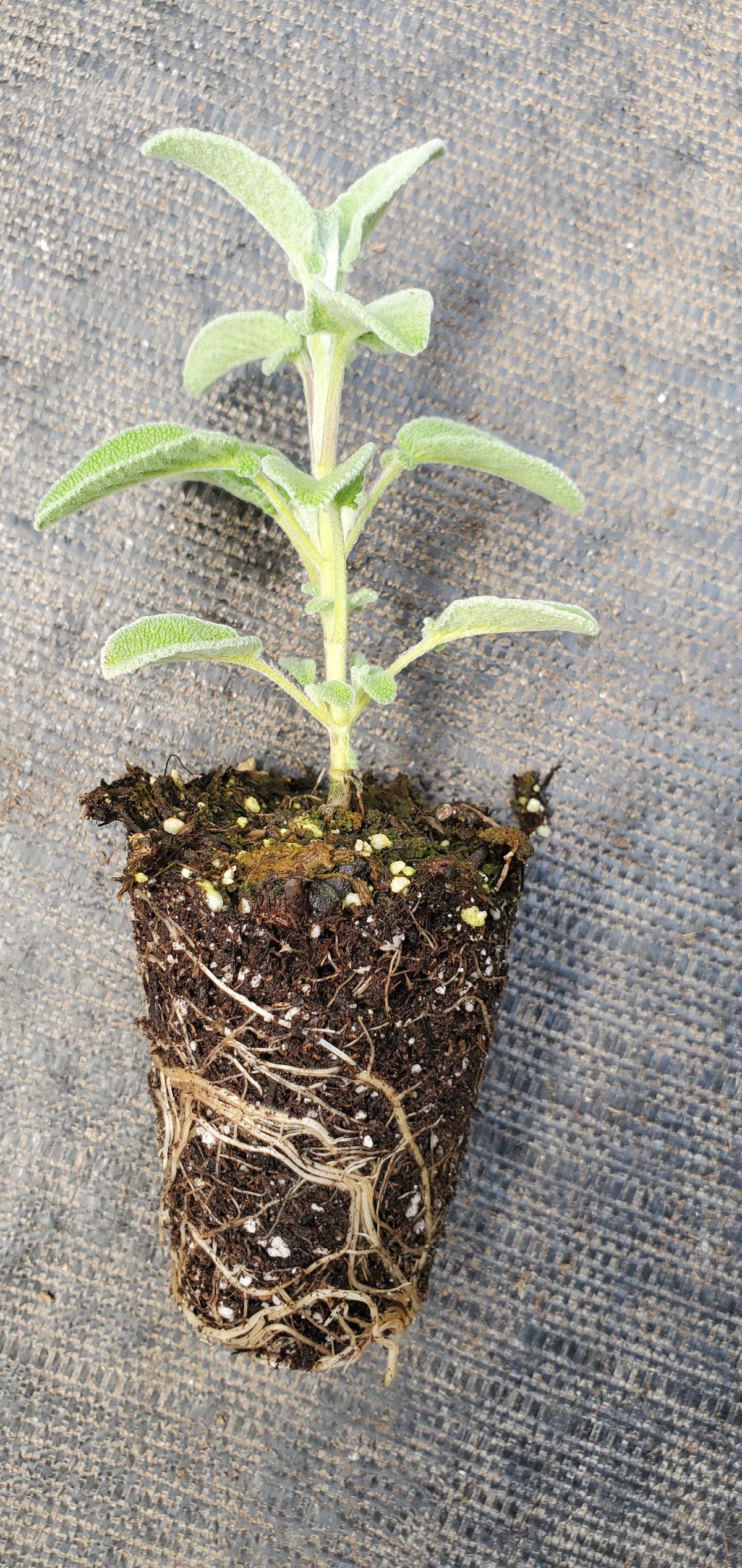
Greek Sage (Salvia fruticosa) is a wonderfully aromatic Mediterranean herb prized for its soft silvery-green foliage and strong, distinctive sage fragrance. Also known as Three-Lobed Sage or Mediterranean Sage, it develops into a woody, branching shrub and produces beautiful pale lavender to violet flowers. Native to the eastern Mediterranean region, it's especially well suited to sunny, dry conditions and makes a gorgeous addition to culinary, fragrance, Mediterranean, and pollinator gardens.
✨ Appearance
- Soft gray-green to silvery-green foliage
- Leaves are often elongated and may develop distinctive lobes
- Foliage has a slightly fuzzy appearance and texture
- Develops woody stems as it matures
- Naturally forms a branching, shrub-like plant
- Produces pale lavender, lilac, pinkish-purple, or violet flowers
- Flower spikes rise beautifully above the foliage
- Attractive to bees and other pollinators
☀️ Light
- Loves full sun
- Outdoors, approximately 6 or more hours of direct sunlight is ideal
- Strong light encourages compact growth, abundant flowering, and aromatic foliage
- Indoors, provide the brightest sunny window possible or a strong grow light
- Too little light can result in stretched, weaker growth
- Gradually acclimate indoor-grown plants before moving them into intense outdoor sunlight
💧 Water
- Allow the upper portion of the soil to dry between waterings
- Water thoroughly and allow excess moisture to drain
- Becomes quite drought-tolerant once established
- Newly planted and container-grown plants require somewhat more consistent watering
- Reduce watering during cooler temperatures and slower growth
⚠️ Watering Warning
Greek Sage is adapted to Mediterranean conditions and does not like constantly wet soil. Don't water on a strict schedule—check the soil first. Allow the upper portion to dry before watering thoroughly again. Once established, it's generally much happier slightly dry than sitting in soggy soil.
🌡️ Temperature & Humidity
- Loves warm, sunny conditions
- Performs particularly well in Mediterranean-style climates
- Prefers average to relatively low humidity
- Excellent airflow is beneficial
- More tolerant of cool temperatures than tropical herbs
- Protect container-grown plants from severe winter conditions
- Avoid combining cold temperatures with constantly wet soil
🌱 Soil
-
Prefers loose, exceptionally well-draining soil
- Quality potting or garden soil
- Perlite or pumice
- Coarse sand or fine gravel can improve drainage
- Tolerates relatively lean soil once established
- Avoid heavy, moisture-retentive mixes
- Containers should always have drainage holes
🌿 Growth & Care
- Develops into a woody, branching shrub as it matures
- Light pruning encourages dense, bushy growth
- Harvest young stems and leaves regularly to encourage branching
- Prune after flowering to maintain its shape
- Avoid repeatedly cutting severely into old, leafless woody growth
- Fertilize lightly—excessive feeding can encourage soft, floppy growth
- Can be propagated from stem cuttings or seed
- Excellent choice for sunny containers, herb gardens, rock gardens, and pollinator plantings
🐾 Pet Safety
- Greek Sage contains naturally occurring aromatic compounds and essential oils
- It's best to discourage pets from consuming significant quantities
- Concentrated sage extracts and essential oils are substantially different from normal culinary use of the leaves and require greater caution around pets
🌿 Why Plant Lovers Love It
- Intensely fragrant foliage
- Beautiful silvery Mediterranean appearance
- Edible culinary herb
- Gorgeous lavender-purple flowers
- Excellent pollinator value
- Drought-tolerant once established
- Perfect for sunny herb and fragrance gardens
- Develops into an attractive woody shrub rather than staying a tiny herb
- Basically, it's regular sage's sun-loving Mediterranean cousin who came back from Greece looking fabulous. 😂🇬🇷🌿
Plant Nerd Note: Greek Sage is Salvia fruticosa and is closely related to common culinary sage (Salvia officinalis), but they're separate species. The common name Three-Lobed Sage comes from the tendency of its leaves to develop side lobes, although leaf shape can vary.
Culinary & Traditional Use Note: Salvia fruticosa has a long history of culinary and traditional use in the Mediterranean, including use as an aromatic herb and herbal tea. Its flavor can be quite strong, so a little may go a long way. Traditional medicinal uses should not be presented as proven treatments, and concentrated extracts or essential oils require considerably more caution than ordinary culinary use of the leaves.
Share