The Happy Monstera Plant Co
Nepenthes lowii × ventricosa 'Red'
Nepenthes lowii × ventricosa 'Red'
Couldn't load pickup availability
🪴 Nepenthes lowii × ventricosa 'Red' Overview
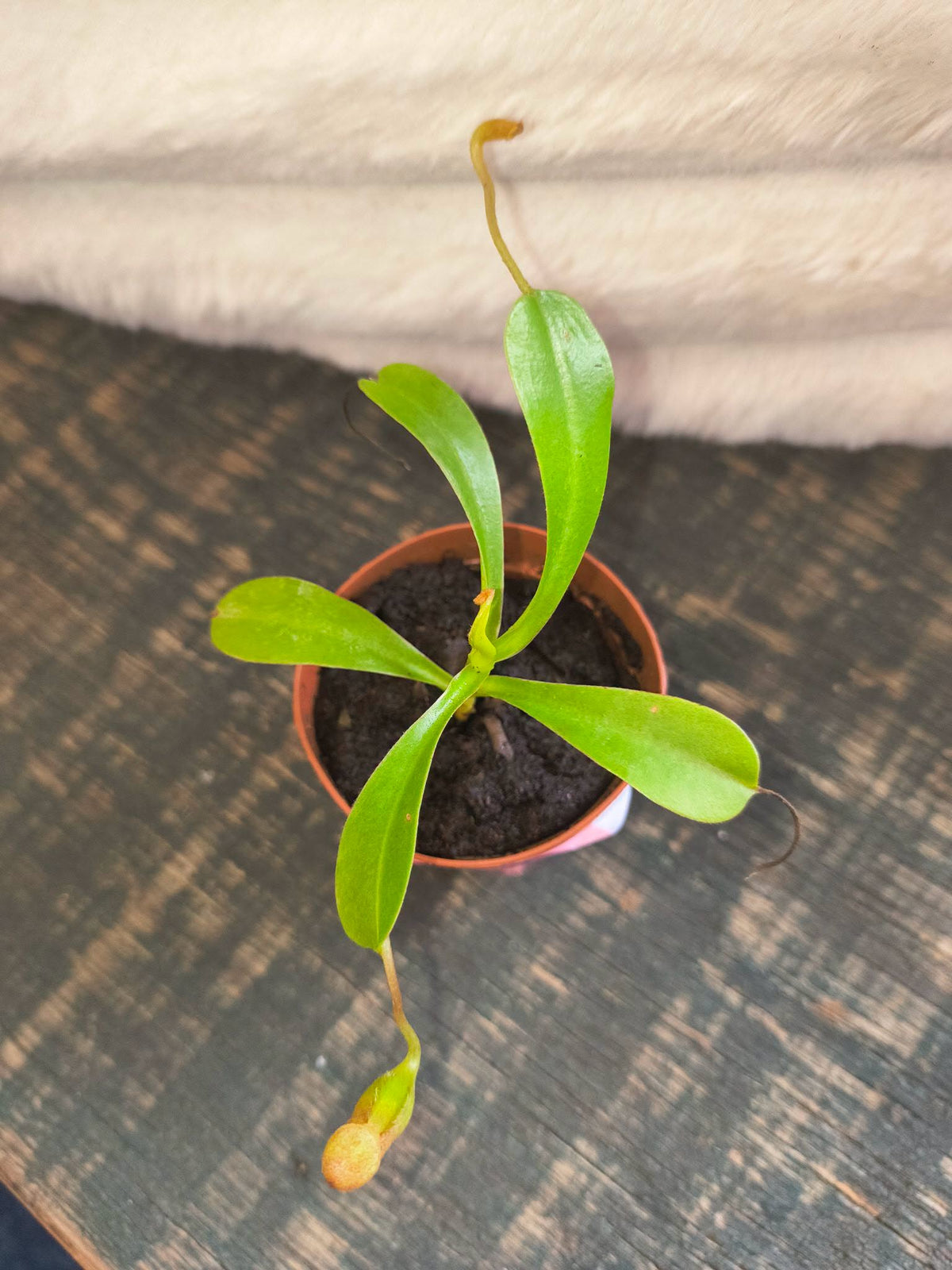
Nepenthes lowii × ventricosa 'Red' is a spectacular hybrid tropical pitcher plant combining characteristics of two fascinating Nepenthes species. It produces colorful hanging pitchers designed to trap and digest insects, with pitchers developing beautiful red, burgundy, and green tones under good growing conditions. This hybrid is especially appealing because it offers the exotic appearance collectors love while generally being more adaptable than some pure Nepenthes species.
✨ Appearance
- Long green leaves with tendrils extending from their tips
- Tendrils develop into hanging insect-catching pitchers
- Pitchers can display shades of green, red, burgundy, and bronze
- Color intensity can vary with light, maturity, and growing conditions
- Pitcher shape may change as the plant matures
- Develops a climbing or vining growth habit with age
- Each new pitcher can look slightly different
☀️ Light
- Prefers bright, indirect light
- A little gentle morning sun can encourage stronger pitcher coloration
- Very low light can reduce or stop pitcher production
- Avoid suddenly exposing the plant to intense direct afternoon sunlight
- Acclimate gradually if increasing light levels
💧 Water
- Keep the growing medium consistently moist but never waterlogged
- Use distilled water, rainwater, or reverse-osmosis (RO) water
- Avoid softened water and mineral-heavy tap water
- Do not allow the growing medium to completely dry out
- Good drainage is essential despite its preference for consistent moisture
⚠️ Watering Warning
Nepenthes are sensitive to dissolved minerals and salts. Do not treat this plant like an ordinary houseplant when it comes to water. Distilled, rain, or RO water is the safest choice. Keep the medium lightly and consistently moist, but don't leave the pot sitting permanently in deep water—the roots still need plenty of oxygen.
🌡️ Temperature & Humidity
- This hybrid generally appreciates intermediate conditions
- Comfortable household temperatures often work well
- Prefers moderate to high humidity
- Around 50–70% humidity or higher can encourage healthy pitcher development
- Appreciates some temperature drop at night
- Good airflow is important, especially when humidity is high
🌱 Soil
-
Requires a nutrient-poor, airy carnivorous plant mix
- Long-fiber sphagnum moss
- Perlite
- Orchid bark may be added for additional airflow
- Never use ordinary potting soil or mixes containing added fertilizer
- The root system appreciates moisture while still requiring excellent aeration
🌿 Growth & Care
- Moderate grower under favorable conditions
- Pitchers naturally die back eventually and can be trimmed once completely brown
- Don't worry if an older pitcher browns while the leaf itself remains healthy
- As the plant matures, it may begin producing longer vines
- Basal shoots may develop around the base of an established plant
- Avoid unnecessary repotting or disturbing the delicate root system
🪰 Feeding
- The pitchers naturally attract and digest insects
- Indoor plants can occasionally be given a small insect if they aren't catching their own
- Avoid feeding meat, human food, or large insects to the pitchers
- Never add conventional houseplant fertilizer directly to the pitchers
- Feeding is supplemental—the plant still gets its energy primarily from light
🐾 Pet Safety
- Nepenthes are generally considered low-risk around cats and dogs
- They are not known for the calcium oxalate toxicity found in many common aroids
- It's still best to prevent pets from chewing the plant or drinking liquid from the pitchers
❤️ Why Collectors Love It
- Incredible hanging carnivorous pitchers
- Gorgeous red and burgundy coloration
- Each new pitcher is exciting to watch develop
- Helps catch occasional small insects
- Exotic appearance unlike ordinary houseplants
- Hybrid vigor can make it more forgiving than some species Nepenthes
- Basically a plant that grows its own tiny bug-eating cups—and that's just ridiculously cool 🪰🌿
Plant Nerd Note: This plant is a hybrid between Nepenthes lowii and Nepenthes ventricosa. N. lowii is famous for its unusual mature pitchers, while N. ventricosa is known for being comparatively adaptable in cultivation. Individual hybrids can vary considerably, so pitcher shape, size, and red coloration may differ from plant to plant.
Share