Gingers greenhouse
Salvia discolor puruvian sage
Salvia discolor puruvian sage
Couldn't load pickup availability
🖤🌿 Peruvian Sage – Salvia discolor Overview
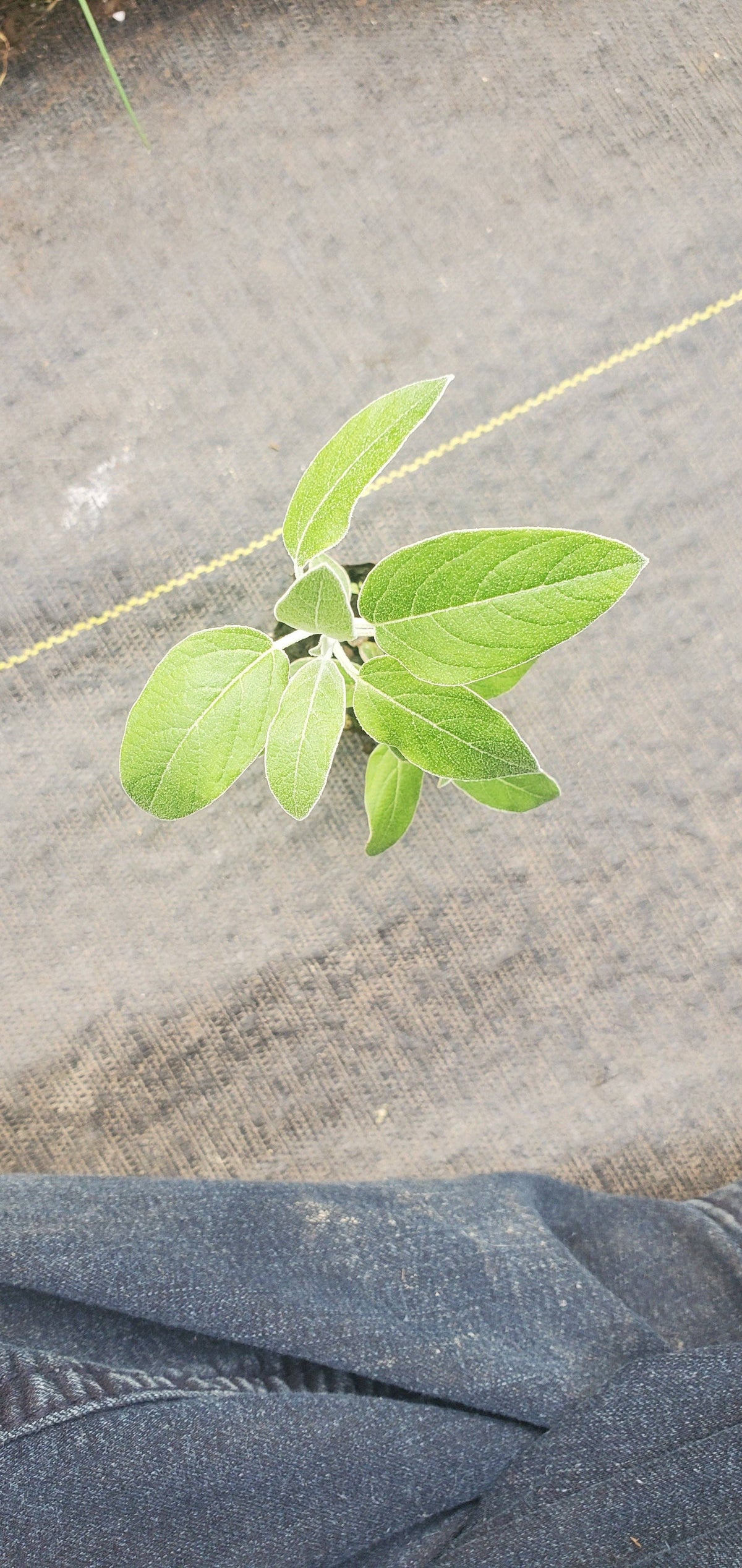
Peruvian Sage (Salvia discolor) is a striking ornamental sage native to Peru, treasured for its silvery foliage and extraordinary near-black flowers. The soft gray-green leaves and pale, fuzzy stems create a beautiful contrast against the deep indigo-purple to almost black blooms. With its trailing to sprawling growth and unusual coloration, this is an especially fun Salvia for collectors, pollinator gardens, and statement containers.
✨ Appearance
- Soft gray-green to silvery foliage
- Leaves and stems have a fuzzy, woolly appearance
- Long, arching to trailing stems
- Produces dramatic deep indigo-purple flowers that can appear nearly black
- Pale silvery-green calyces create striking contrast around the flowers
- Blooms are arranged along elongated flower spikes
- Can develop into a loose, sprawling plant as it matures
- Flowers are especially attractive to hummingbirds and other pollinators
☀️ Light
- Prefers very bright light to full sun
- Outdoors, several hours of direct sunlight encourages strong growth and flowering
- Gentle morning sun is especially beneficial
- In extremely hot conditions, some protection from intense afternoon sun can be helpful
- Indoors, provide your brightest sunny window or a strong grow light
- Insufficient light can cause leggy growth and reduced flowering
💧 Water
- Allow the upper portion of the soil to dry somewhat between waterings
- Water thoroughly and allow excess moisture to drain
- Established plants have some drought tolerance
- Container-grown plants may need more frequent watering during hot weather
- Avoid keeping the root zone constantly saturated
⚠️ Watering Warning
Peruvian Sage appreciates regular watering while actively growing, but it doesn't like wet feet. Don't water on a strict schedule—check the soil first. Allow the upper portion to begin drying before watering again. Constantly soggy soil can lead to yellowing and root problems, while established plants generally tolerate being slightly dry much better than being continually waterlogged.
🌡️ Temperature & Humidity
- Prefers warm growing conditions
- Comfortable in average outdoor or household humidity
- Appreciates good airflow
- Protect container-grown plants from freezing temperatures
- In colder climates, it can be grown as a seasonal outdoor plant or overwintered in a protected environment
- Avoid constantly wet foliage combined with cool temperatures
🌱 Soil
-
Prefers loose, well-draining soil
- Quality potting or garden soil
- Perlite or pumice
- Fine bark or other material for additional aeration
- Does not require constantly rich, moisture-heavy soil
- Containers should always provide excellent drainage
🌿 Growth & Care
- Moderate to fast-growing during warm weather
- Naturally develops long, arching or sprawling stems
- Looks beautiful allowed to spill over the edge of a large container
- Light pruning encourages branching and a fuller appearance
- Can be propagated from stem cuttings
- Fertilize lightly during active growth
- Removing spent flower stems can keep the plant tidy and encourage continued growth
- Give it enough room to show off its naturally loose, graceful shape
🐾 Pet Safety
- Reliable pet-specific toxicity information for Salvia discolor is limited
- It's safest to prevent cats and dogs from consuming significant quantities
- Do not assume that because some Salvia species are culinary herbs, every ornamental Salvia should be treated as edible
🖤 Why Collectors Love It
- Incredible almost-black flowers
- Gorgeous silvery foliage
- Soft, fuzzy stems and leaves
- Beautiful trailing and arching habit
- Excellent pollinator appeal
- Dramatic contrast unlike most flowering plants
- An especially unusual addition to a Salvia collection
- Seriously, a plant with silver foliage and nearly black flowers was always going to be cool. 🖤🌿
Plant Nerd Note: Yes—Salvia discolor is commonly called Peruvian Sage, and the species is native to Peru. Despite the common name “sage,” it shouldn't automatically be treated like culinary garden sage (Salvia officinalis). Salvia is a huge genus containing hundreds of species grown for very different purposes.
One especially interesting feature of Salvia discolor is that those dramatic flowers aren't truly jet black. They're an extremely deep indigo-purple, but the pigmentation is so dark that the blooms often appear black—especially against the plant's silvery foliage.
Share