Gingers greenhouse
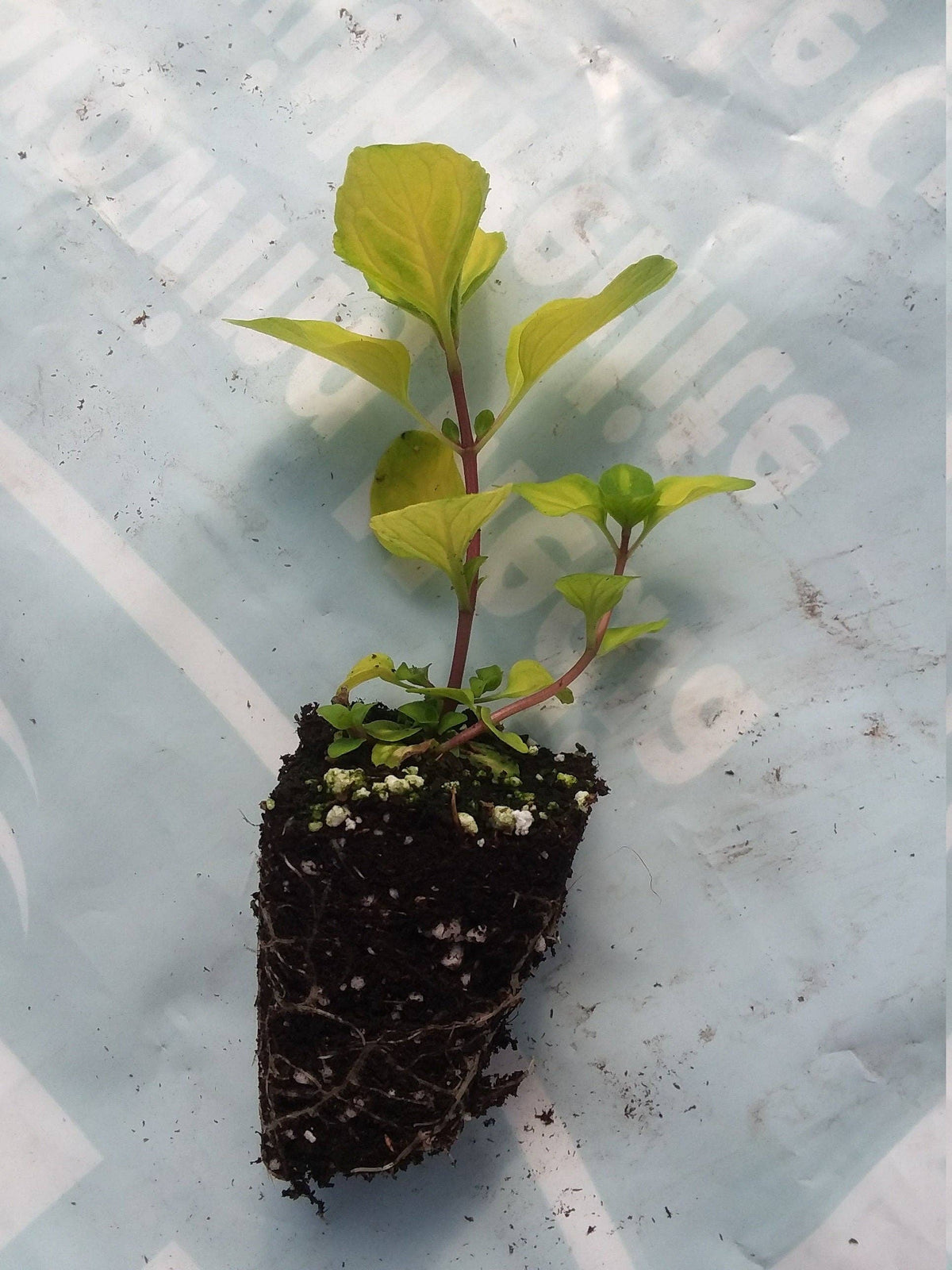
Variegated Ginger Mint
Variegated Ginger Mint
Couldn't load pickup availability
Ginger mint starter plant. Mentha x gracilis. Perennial with gold striped and flecked leaves in cooler weather. Mildly ginger flavored. Full sun to part shade. Consistantly moist soil. Zones 5-9. 12-18
🌿💚 Variegated Ginger Mint – Mentha × gracilis 'Variegata' Overview
Variegated Ginger Mint (Mentha × gracilis 'Variegata') is a beautiful, aromatic herb loved for its colorful foliage and refreshing mint fragrance with subtle spicy, ginger-like notes. Also known as Variegated Ginger Mint, this attractive member of the mint family features green leaves splashed and streaked with creamy-yellow to golden variegation.
With its vigorous growth, delightful fragrance, and edible foliage, Variegated Ginger Mint is a wonderful addition to herb gardens, patio containers, kitchen gardens, and fragrant plant collections. It's especially appealing to gardeners who want an herb that's just as pretty as it is useful!
✨ Appearance
- Bright green foliage with creamy-yellow to golden variegation
- Irregular splashes, streaks, and patches of lighter coloration
- Oval to elongated leaves with lightly toothed edges
- Aromatic foliage with a refreshing mint fragrance and subtle spicy notes
- Upright to spreading growth habit
- Square stems characteristic of the mint family
- May produce small lavender, pinkish, or pale purple flowers
- Forms dense, leafy clumps as it matures
- Variegation patterns may differ from leaf to leaf
☀️ Light
- Prefers bright light to partial sun
- Outdoors, approximately 4–6 hours of sunlight encourages healthy growth
- Morning sunlight with some afternoon shade is ideal in very hot climates
- Indoors, provide a bright sunny window or strong grow light
- Good lighting helps maintain attractive variegation
- Too little light may produce stretched growth and less vibrant coloration
- Variegated portions of the foliage can be more sensitive to intense afternoon sunlight
- Gradually acclimate indoor-grown plants before moving them outdoors
💧 Water
- Prefers relatively consistent moisture
- Water when the top 1 inch of soil begins to dry
- Water thoroughly and allow excess moisture to drain
- Avoid allowing the plant to remain completely dry for extended periods
- Container-grown plants may require frequent watering during hot weather
- Reduce watering during cooler temperatures and slower growth
⚠️ Watering Warning
Variegated Ginger Mint appreciates consistently moist soil, but it doesn't like sitting in water.
Don't water on a strict schedule—check the soil first. Water when the upper layer begins to dry, and allow excess moisture to drain freely.
Repeated severe drying can cause wilting, crispy leaf edges, and reduced growth. However, constantly saturated soil can lead to root problems.
🌡️ Temperature & Humidity
- Prefers mild to warm growing conditions
- Ideal growing temperatures: approximately 60–80°F
- Handles summer warmth with adequate moisture
- Appreciates average to moderate humidity
- Can tolerate cooler temperatures better than many tropical herbs
- Established plants may return after winter dormancy in suitable climates
- Appreciates good airflow
- Container-grown plants benefit from winter protection in colder regions
🌱 Soil
- Prefers fertile, moisture-retentive but well-draining soil
- Quality potting or garden soil
- Compost or organic matter
- Perlite for additional drainage
- Enjoys soil that retains some moisture without becoming waterlogged
- Containers should always have drainage holes
- Performs well in raised beds and herb planters
🌿 Growth & Care
- Fast-growing under favorable conditions
- Naturally develops a spreading growth habit
- Regular harvesting encourages fuller, bushier growth
- Pinch growing tips to promote branching
- Easily propagated from stem cuttings
- Can also be propagated by dividing established clumps
- Fertilize lightly during active growth
- Remove flower spikes if you prefer to encourage continued foliage production
- Watch for completely green shoots and prune them if they begin overtaking the variegated growth
- Best grown in containers to control its spreading habit
- Like other mints, it can spread aggressively through underground runners when planted directly in garden beds
🐾 Pet Safety
- Mint plants are not considered reliably pet-safe for cats and dogs
- Ingestion may cause digestive upset, particularly in larger quantities
- Concentrated mint essential oils can be especially harmful to pets
- Keep away from animals that regularly chew plants
- Avoid applying mint essential oils to pets without veterinary guidance
💚 Why Plant Lovers Love It
- Beautiful green and golden variegated foliage
- Wonderful mint fragrance with spicy undertones
- Edible culinary herb
- Fast-growing and easy to harvest
- Easy to propagate and share
- Attractive in patio containers and herb gardens
- Beautiful addition to fragrant and sensory gardens
- More colorful than traditional green mint
- Great for gardeners who enjoy unusual herb varieties
- Because apparently regular mint decided it needed a splash of gold and a little ginger-inspired attitude! 😂💚🌿
Plant Nerd Note: Variegated Ginger Mint is commonly associated with Mentha × gracilis, a hybrid mint traditionally understood to involve Mentha arvensis and Mentha spicata. It may also be encountered under older or alternative horticultural names.
The name 'Variegata' is used for variegated selections, although commercial labeling can vary among growers.
Despite its common name, Ginger Mint does not contain actual ginger and is not botanically related to the ginger plant (Zingiber officinale). The name refers to the spicy, ginger-like qualities sometimes detected in its fragrance and flavor.
Culinary Use Note: Variegated Ginger Mint is grown as an edible aromatic herb. Its leaves can be used fresh or dried in teas, beverages, fruit dishes, desserts, and herbal blends.
The flavor is generally minty with subtle warm, spicy undertones, although intensity varies with growing conditions and individual plants.
Harvest clean, healthy leaves and wash thoroughly before use. Plants intended for consumption should not be treated with pesticides unsuitable for edible crops.
Growing Tip: Because mint spreads enthusiastically, keeping Variegated Ginger Mint in its own container is often the easiest way to enjoy its beauty and fragrance without allowing it to take over neighboring plants. 🌿
Share